A Newbie's Guide to Recognizing Aluminum Foundry Tooling and Mold Creation
Aluminum foundry tooling and mold and mildew production is a specific area within manufacturing. Comprehending the fundamentals is vital for novices. Numerous mold types, such as sand and financial investment mold and mildews, satisfy various manufacturing demands. Key devices and processes play a considerable duty in accomplishing successful end results. As one navigates this intricate area, the interaction in between style and implementation becomes obvious. What necessary strategies and insights might change an amateur into a skilled aluminum foundry expert?
Recognizing the Essentials of Aluminum Casting
Although numerous steels can be cast, light weight aluminum stands out as a result of its special residential properties and convenience. This lightweight metal functions exceptional corrosion resistance, thermal conductivity, and malleability, making it a popular option throughout various markets. The casting process involves melting light weight aluminum and putting it into a mold to attain desired dimensions and shapes. This technique permits exact resistances and detailed designs, which are important in applications varying from automotive parts to aerospace parts.
Types of Molds Used in Aluminum Foundry
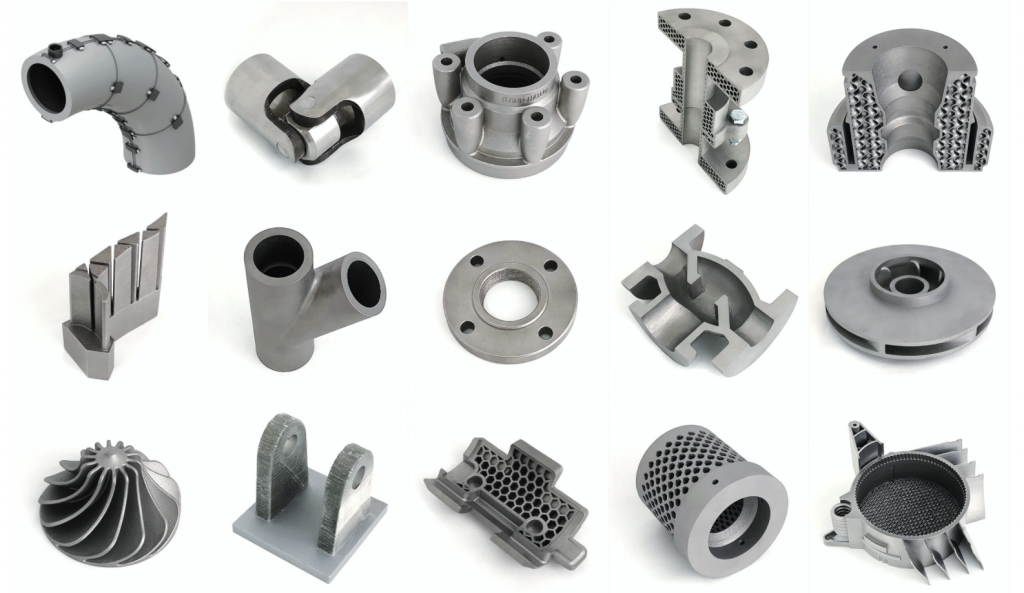
When selecting mold and mildews for aluminum foundry applications, various kinds are readily available, each developed to satisfy details production requirements and casting methods. The most typical types consist of sand mold and mildews, which are flexible and ideal for complicated forms, and permanent molds, made from steel for high-volume production with far better surface finishes. An additional type is financial investment molds, understood for their precision and fine detail, ideal for complex layouts. Additionally, there are shell mold and mildews, which combine the benefits of sand and permanent molds, supplying durability and superb dimensional precision. Finally, die casting mold and mildews are made use of for high-speed manufacturing, offering consistent top quality and minimized cycle times. Each mold and mildew kind has special qualities that affect the quality of the final light weight aluminum product, manufacturing efficiency, and overall costs. Comprehending these types enables foundry professionals to pick one of the most ideal mold for their certain applications and wanted results.
Crucial Tools for Mold Development
A variety of essential tools are required for mold and mildew production in aluminum foundry processes, each adding to the performance and precision of the casting process. Trick devices consist of pattern-making devices, which shape the mold according to develop specifications. These can be made from products like metal, plastic, or timber. Additionally, mold and mildew frames are necessary for maintaining mold and mildew stability during casting.
Other required tools incorporate core boxes, which aid create internal dental caries within the shaped parts, and gating systems that promote the flow of liquified light weight aluminum. For finishing touches, surface area completing devices, such as grinders and sanders, assure the mold surfaces are exact and smooth.
Securing devices are also crucial, safeguarding molds during the putting process. Ultimately, gauging devices, like calipers and gauges, offer accuracy click over here in mold and mildew dimensions. With each other, these devices form the backbone of effective mold development in light weight aluminum factories.
The Process of Making Aluminum Molds
Producing light weight aluminum mold and mildews involves a systematic approach that assures accuracy and high quality in the final product. The process starts with making the mold and mildew, making use of computer-aided layout (CAD) software application to develop a thorough plan. This layout is then translated right into a physical type through machining, where proficient drivers use crushing devices and lathes to sculpt the mold and mildew from strong light weight aluminum blocks.
As soon as the mold and mildew is shaped, it undertakes surface therapy to safeguard a smooth surface, which assists in the ejection of the casted components. Hereafter, assembly of the mold parts happens, making certain appropriate placement and fit. Next, the mold is checked for capability, often involving test casts to identify any possible problems. Modifications might be made based on screening results. With cautious attention at each phase, the finished aluminum mold is prepared for use in numerous spreading applications, guaranteeing top notch and constant end results.
Tips for Effective Aluminum Foundry Projects
Successful aluminum foundry projects count on thorough preparation and implementation throughout the whole procedure. To guarantee suitable outcomes, it is important to define clear goals before starting any job. This includes understanding the specifications and requirements of the last product. Appropriate material option plays a considerable function; making use of high-quality aluminum alloys can improve longevity and performance.
Additionally, specific mold style and construction are essential. Exact measurements and focus to information will lower and lessen issues waste. Integrating sophisticated modern technologies, such as computer-aided layout (CAD), can greatly improve the layout process.
It is likewise crucial to maintain reliable communication among team members to ensure everybody gets on the exact same page. Normal analyses during production can aid determine possible problems early, permitting prompt changes. Mindful post-casting therapies, like machining and finishing, can raise the top quality of the last item, leading to an effective light weight aluminum foundry project.
Regularly Asked Inquiries
What Safety Preventative Measures Should I Take When Collaborating With Aluminum?
When functioning with aluminum, people should wear safety eyeglasses, gloves, and respiratory masks. In addition, guaranteeing appropriate air flow, preserving a clean office, and using devices safely are vital safety measures to stop mishaps and health and wellness hazards.
The length of time Does It Require To Produce an Aluminum Mold And Mildew?
Producing a light weight aluminum mold and mildew commonly takes anywhere from a couple of days to several weeks. aluminum casting. Aspects influencing this timeline consist of design complexity, material availability, and the details techniques employed in the mold-making process
Can I Reuse Aluminum Molds for Several Spreadings?
Yes, light weight aluminum molds can be recycled for several spreadings. Their durability enables for duplicated use, although the life-span may differ based on factors like style intricacy and casting conditions, which can impact mold integrity gradually.
What Is the Price Range for Aluminum Foundry Tooling?
The price variety for light weight aluminum foundry tooling varies substantially, typically dropping between $1,000 and $10,000 (Precision aluminum casting). Factors influencing the rate consist of layout complexity, mold and mildew size, and manufacturing volume, affecting general investment demands for makers
Where Can I Find Distributors for Aluminum Foundry Materials?

Different mold types, such as sand and investment mold and mildews, cater to various production demands (Precision aluminum casting). When choosing mold and mildews for aluminum foundry applications, various types are readily available, each created to satisfy certain manufacturing demands and casting techniques. The most usual kinds consist of sand mold and mildews, which are ideal and functional for complex forms, and irreversible molds, made from metal for high-volume production with far better surface area coatings. Furthermore, there are shell mold and mildews, which combine the benefits of sand and irreversible mold and mildews, offering resilience and excellent dimensional precision. A selection of critical tools are needed for mold production in aluminum foundry procedures, each contributing to the performance and precision of the casting process